
Understanding and Troubleshooting Common Key Fob Problems: A Comprehensive Guide
Key fobs have become an essential part of modern vehicle security and convenience, allowing you to unlock doors, start engines, and more, all at the touch of a button. However, like any electronic device, key fobs are not immune to issues. Understanding common problems and how to troubleshoot them can save you time, money, and frustration. In this comprehensive guide, we will delve into the intricacies of key fob operation, common issues, and effective troubleshooting strategies.
The Basics of Key Fob Functionality
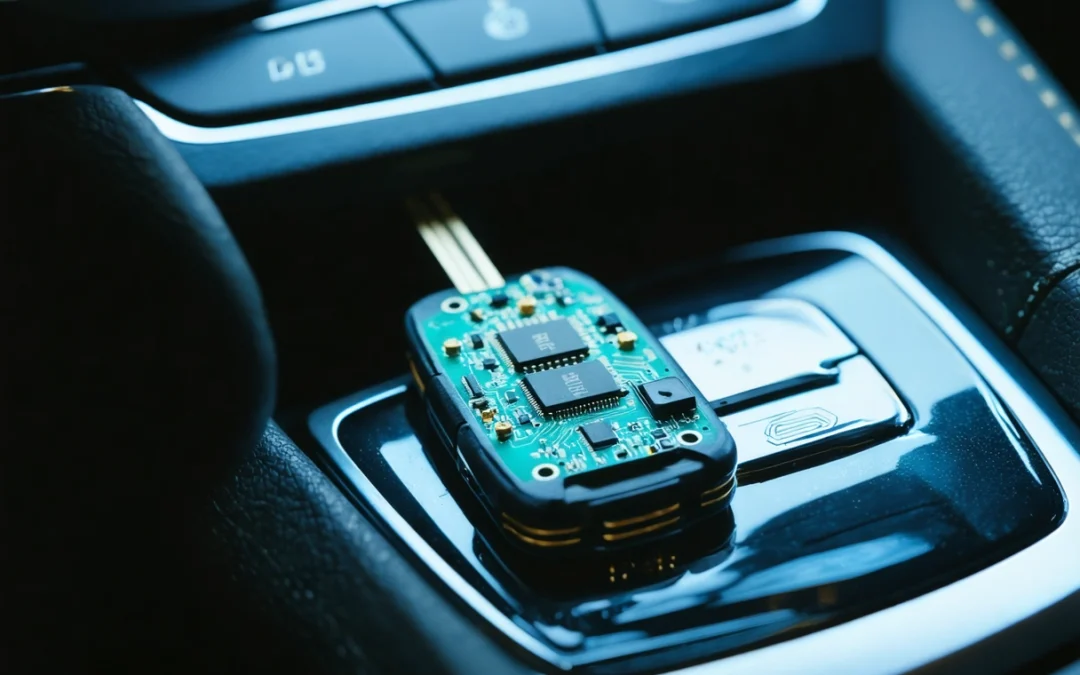
To effectively troubleshoot key fob issues, it’s important to understand how they work. A key fob is a small, handheld device that uses radio frequency identification (RFID) technology to communicate with your vehicle. It typically contains a small circuit board, a battery, and buttons for different functions such as locking and unlocking doors, opening the trunk, or starting the engine remotely.
When you press a button on the key fob, it sends a signal to a receiver in the car, which then performs the requested action. This process relies on the key fob being within a certain range of the vehicle, and the signal must be strong enough to be recognized by the car’s receiver. Understanding this basic functionality can help diagnose where the problem might be occurring when issues arise.
Common Key Fob Problems
Key fobs can experience a range of issues, from simple battery depletion to more complex electronic failures. Let’s explore some of the most common problems and their possible causes.
Dead Battery
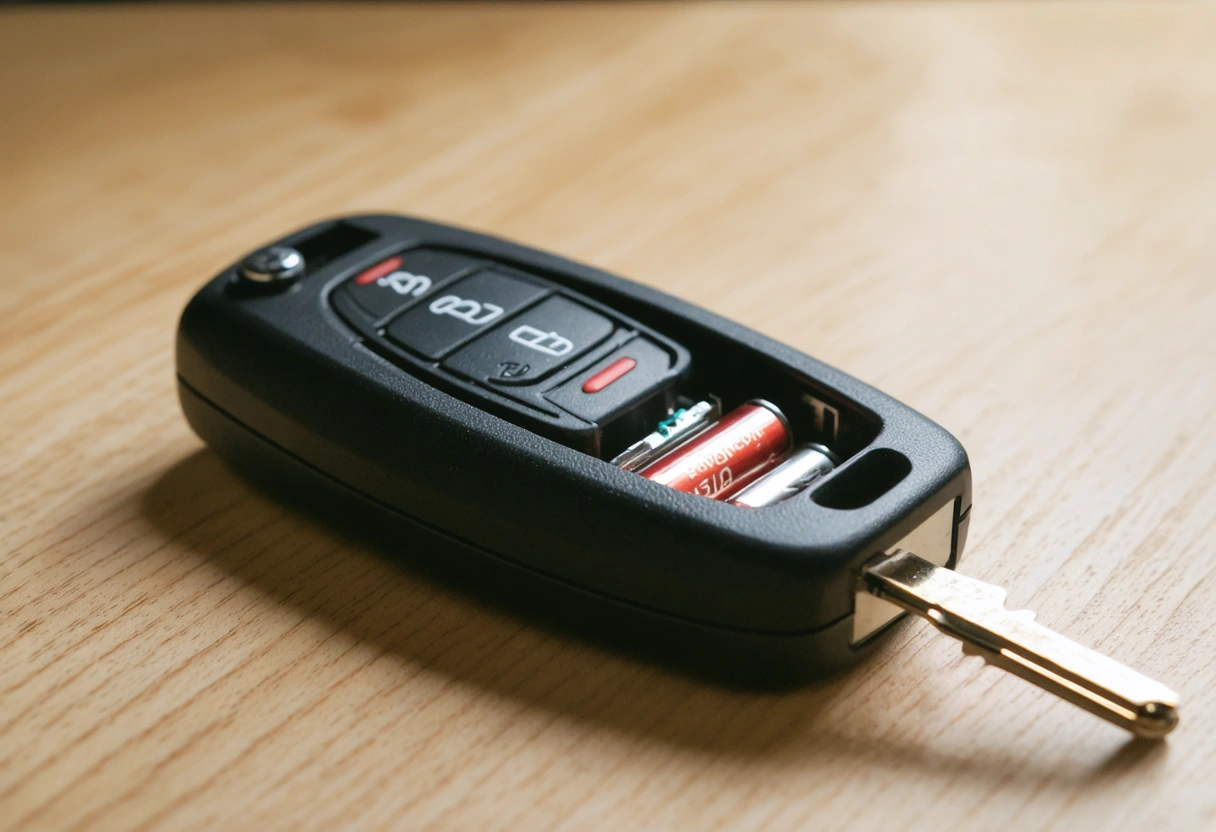
Perhaps the most common issue with key fobs is a dead battery. If your key fob stops working suddenly, the first thing to check is the battery. Most key fobs use coin-cell batteries, which can be easily replaced. A dead battery will prevent the key fob from sending signals to your vehicle.
Signal Interference
Signal interference can occur when there are obstacles or electronic devices that interfere with the signal between your key fob and the car. This can include physical barriers like walls or other vehicles, as well as electronic devices like cell phones or radio towers. Interference can cause the key fob to work intermittently or not at all.
Programming Issues
Sometimes, a key fob might become unprogrammed or lose synchronization with the vehicle. This can happen after changing the battery or due to electronic glitches. If reprogramming is required, it might involve a series of steps that can vary depending on the vehicle make and model. In some cases, professional assistance may be needed.
Physical Damage
Physical damage to the key fob can also cause malfunctions. Dropping the fob, exposure to water, or general wear and tear can damage the internal components, leading to issues with functionality. Inspect your key fob for visible signs of damage if problems occur.
Troubleshooting Key Fob Issues
Once you identify a problem with your key fob, you can begin troubleshooting. Here are some effective strategies to resolve common issues.
Replacing the Battery
If you suspect a dead battery, replace it with a new one. Most key fobs have a small screw or a snap-on cover that allows access to the battery compartment. Make sure to use the correct battery type, usually indicated inside the compartment. After replacing the battery, test the fob to see if it resolves the issue.
Checking for Interference
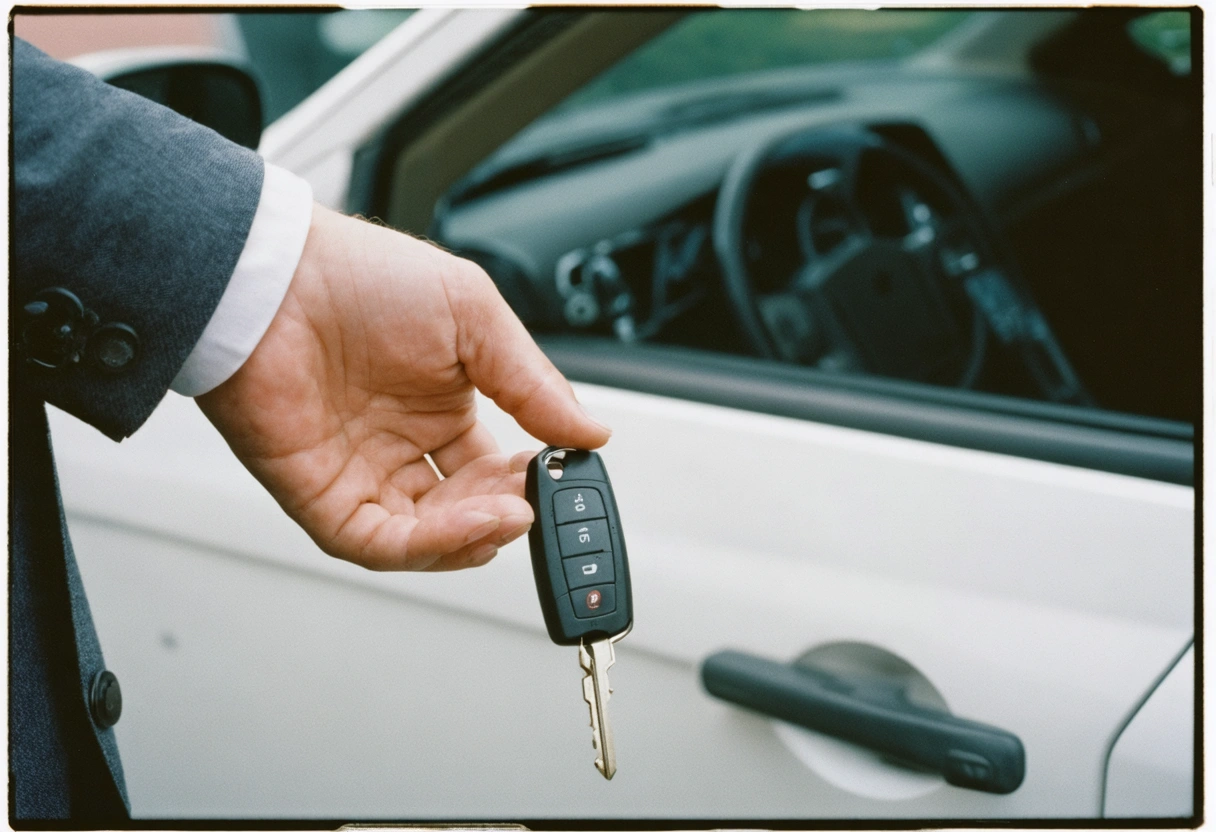
If interference is suspected, try using the key fob closer to the vehicle and away from potential sources of interference. Move the fob around to different angles and distances to find a spot where it functions reliably. If interference is persistent, consider consulting with a professional to help identify the source.
Reprogramming the Key Fob
If the key fob has lost synchronization, you might need to reprogram it. Refer to your vehicle’s manual for specific instructions on how to reprogram the fob. This process usually involves a series of button presses in a particular order. If you’re unable to reprogram the fob yourself, a professional locksmith or dealership might be necessary.
Inspecting for Physical Damage
Examine the key fob for any visible signs of physical damage. If the case is cracked or buttons are not functioning properly, the fob may need to be repaired or replaced. Some minor repairs can be done at home, such as realigning buttons or securing loose parts, but severe damage may require a new fob.
Advanced Troubleshooting Techniques
For more complex issues, advanced troubleshooting techniques might be necessary. These may involve testing the key fob’s electronic components or seeking professional help. Here are some advanced strategies.
Testing the Key Fob’s Electronic Components
If basic troubleshooting fails, it might be necessary to test the key fob’s electronic components. Using a multimeter, you can check for continuity and ensure that the circuits are functioning correctly. This requires some technical knowledge and experience with electronic testing.
Consulting with a Professional
If all else fails, consulting with a professional locksmith or visiting a dealership might be the best option. Professionals have specialized tools and knowledge to diagnose and fix key fob issues effectively. They can also help with programming or replacing the key fob if necessary.
Furthermore, professional assistance ensures that your vehicle’s security features remain intact and functional. If you’re unsure about handling electronic components or reprogramming procedures, seeking professional help is a wise choice.
The Importance of Proper Maintenance
Regular maintenance of your key fob can prevent many common issues. Keep the fob clean and free from moisture, and periodically check the battery to ensure it’s in good condition. Store the key fob in a safe place to avoid physical damage, and avoid exposing it to extreme temperatures or harsh chemicals.
By taking proactive steps to maintain your key fob, you can extend its lifespan and ensure reliable performance. Proper maintenance not only saves you time and money but also enhances your overall vehicle security and convenience.
Takeaways
Understanding and troubleshooting common key fob problems is an essential skill for any vehicle owner. By knowing how key fobs work and recognizing common issues, you can quickly identify and resolve problems when they arise. Whether it’s replacing a dead battery, addressing signal interference, or seeking professional help, the right approach can save you from unnecessary frustration and ensure your key fob functions as intended.
Remember, while some issues can be resolved with basic troubleshooting, others may require advanced techniques or professional assistance. By staying informed and proactive, you can keep your key fob in optimal condition and enjoy the convenience and security it provides every day.
For further reading on key fob tips, how car key fobs work, and replacing a key fob battery, explore these resources for more detailed information and guidance.
Exploring Key Fob Technology Advancements
As technology continues to evolve, key fobs are becoming more advanced, incorporating new features and capabilities. These advancements are designed to enhance user convenience and vehicle security, providing a seamless experience for car owners. Let’s explore some of the latest innovations in key fob technology and how they can impact troubleshooting and maintenance.
Smart Key Integration
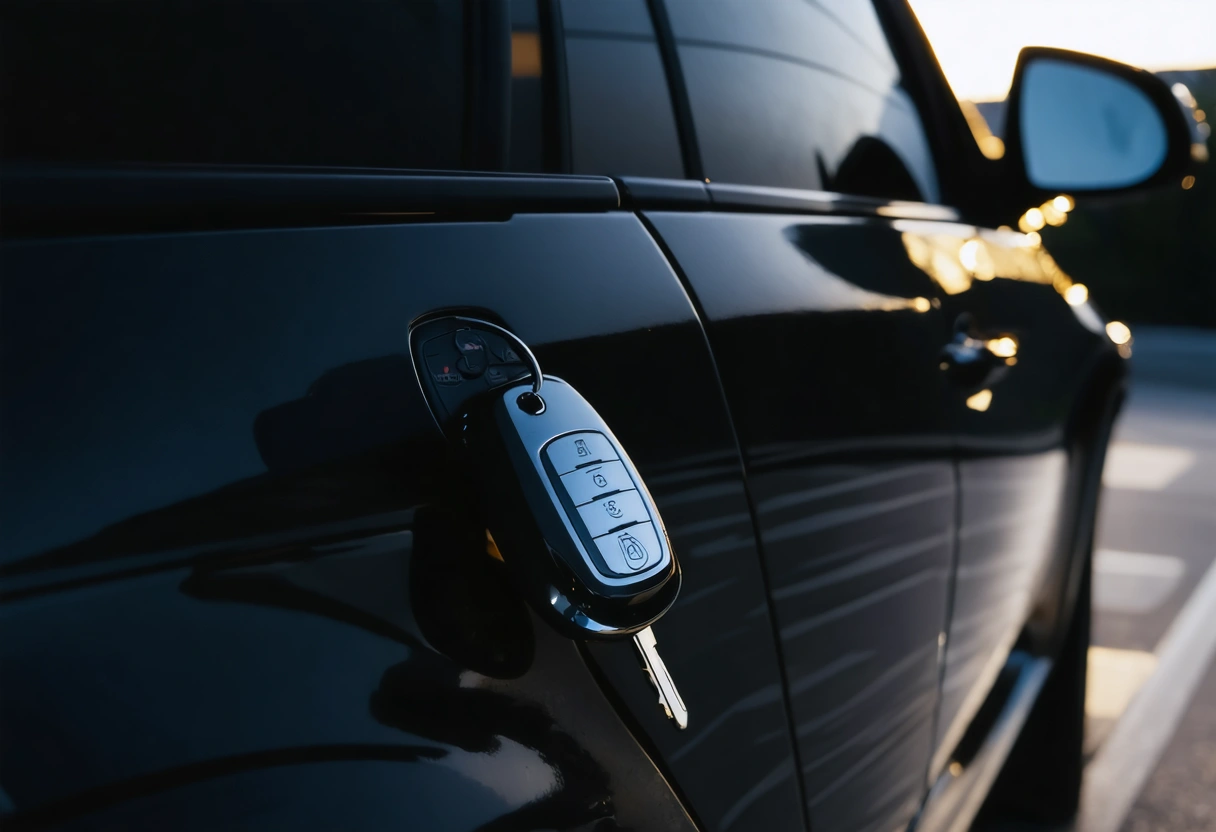
Modern key fobs often integrate with smart key systems, allowing for features such as keyless entry and push-button start. These systems use proximity sensors to detect when the key fob is near the vehicle, automatically unlocking the doors or enabling the ignition. While these features offer greater convenience, they also introduce new potential issues, such as sensor malfunctions or battery drain due to continuous signal transmission.
When troubleshooting smart key systems, it’s important to consider these additional components. Ensure that proximity sensors are clean and free of obstructions, and verify that the key fob’s battery is fully charged to support continuous communication with the vehicle.
App-Based Key Fob Solutions
Another significant advancement is the integration of key fob functions into smartphone apps. Many vehicle manufacturers now offer mobile applications that allow users to perform key fob functions directly from their smartphones. This includes locking and unlocking doors, starting the engine, and even locating the vehicle in a crowded parking lot.
While app-based solutions provide added flexibility, they also require a stable internet connection and an updated app to function correctly. Troubleshooting these apps involves checking for software updates, ensuring a reliable network connection, and verifying that the app’s permissions are correctly configured on your device.
Environmental Considerations for Key Fobs
Environmental factors can also play a significant role in key fob performance. Extreme temperatures, humidity, and exposure to water or dust can all impact the functionality and longevity of a key fob. Understanding these environmental considerations is crucial for effective troubleshooting and maintenance.
Temperature Extremes
Extreme heat or cold can affect the electronic components within a key fob, leading to erratic behavior or complete failure. In hot climates, avoid leaving the key fob exposed to direct sunlight for extended periods. Similarly, in cold weather, maintain the fob’s temperature by keeping it in a pocket or inside the vehicle when not in use.
Moisture and Humidity
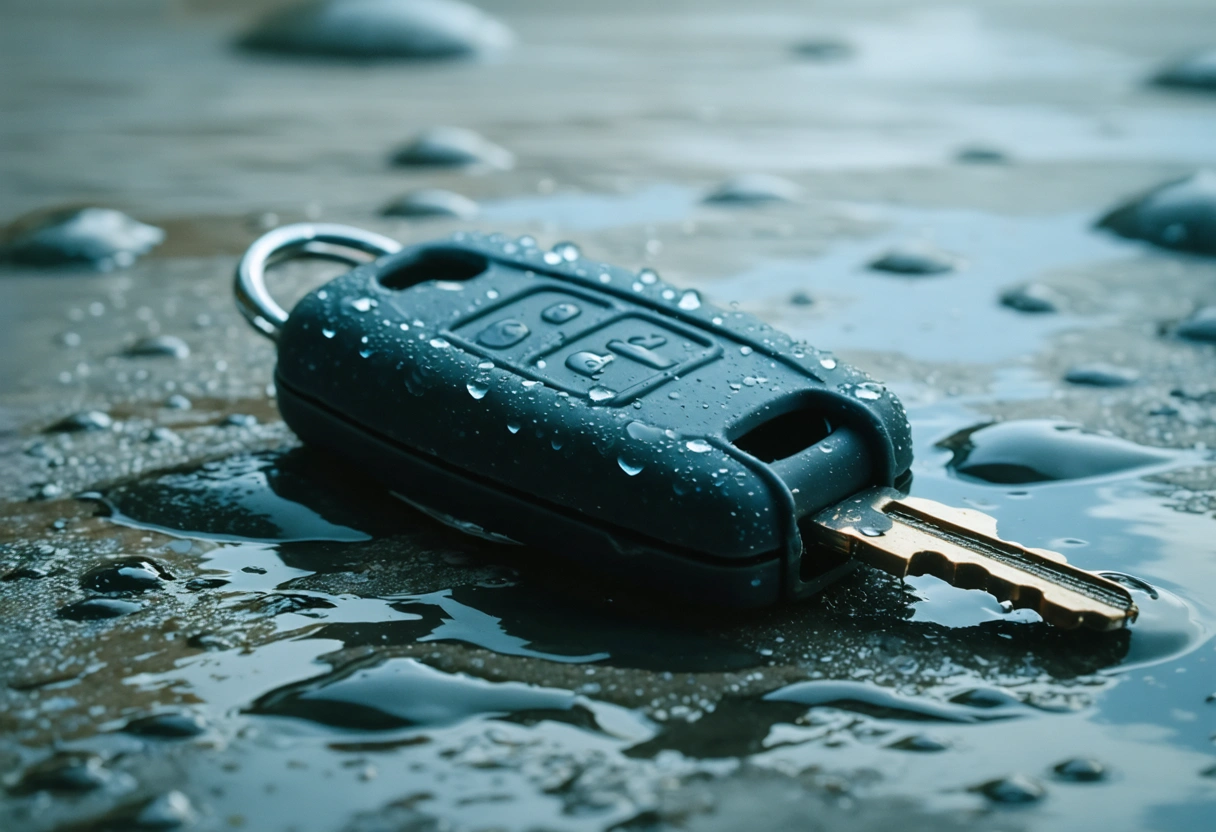
Moisture can cause corrosion or short circuits in the key fob’s internal components. To prevent moisture-related issues, keep the key fob dry and consider using a protective case if you frequently encounter wet conditions. If the key fob does get wet, remove the battery and allow it to dry completely before reassembling.
Future Trends in Key Fob Technology
The future of key fob technology promises even more innovations, with manufacturers exploring possibilities such as biometric authentication and enhanced vehicle-to-device communication. These trends aim to further enhance security and user experience, while also presenting new challenges in terms of troubleshooting and maintenance.
Biometric Authentication
Biometric authentication, such as fingerprint or facial recognition, is being explored as a way to increase security and convenience. By incorporating biometric sensors into the key fob or vehicle, manufacturers aim to eliminate the risk of unauthorized access. However, these systems require precise calibration and regular updates to function correctly, introducing new troubleshooting considerations.
Vehicle-to-Device Communication
Enhanced vehicle-to-device communication will enable more seamless interactions between the key fob and vehicle systems. This includes real-time notifications and diagnostics sent directly to the driver’s smartphone or key fob. While this advancement offers greater insight into vehicle status, it also requires robust connectivity and compatibility, which can present challenges if issues arise.
For more insights into how smart keys work or advancements in key fob technology, further exploration of these resources can provide additional context and understanding.
Need help with Understanding and Troubleshooting Common Key Fob Problems: A Comprehensive Guide?