
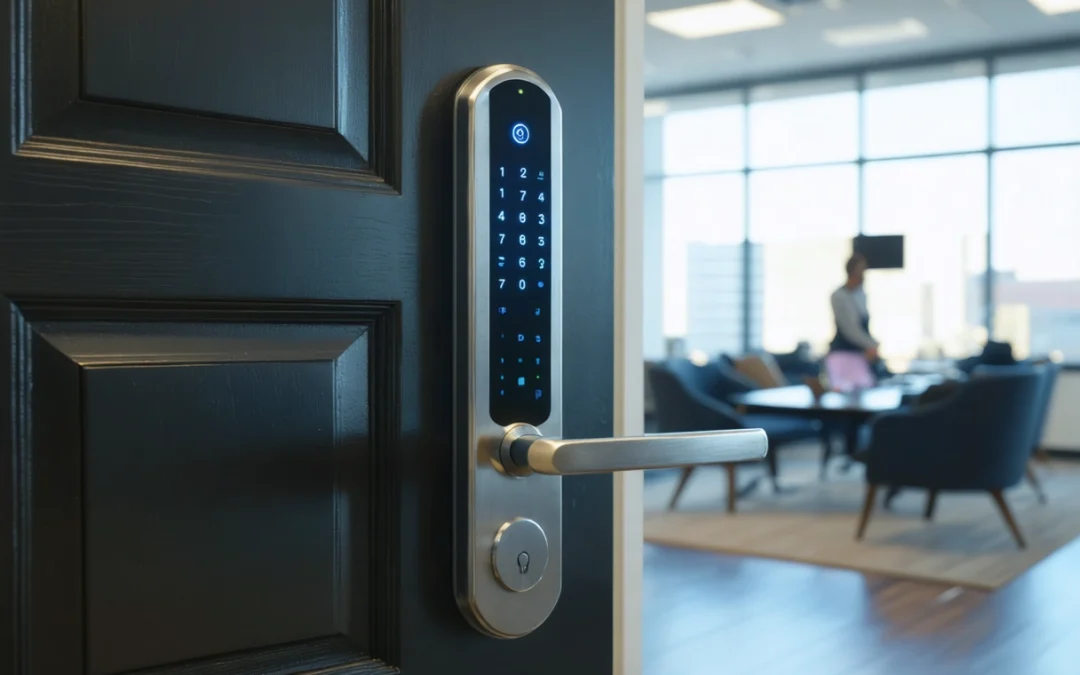
Introduction to Smart Lock Technologies in Commercial Security
In the rapidly evolving landscape of commercial security, smart lock technologies are paving the way for enhanced protection and operational efficiency. As businesses in Englewood and beyond seek to fortify their premises against unauthorized access, smart locks offer a compelling solution. These advanced systems not only provide superior security but also integrate seamlessly with modern business operations, offering convenience and peace of mind.
The adoption of smart lock technologies is driven by several factors: the need for heightened security, the demand for user-friendly systems, and the desire for efficient access management. In this blog post, we will delve into how smart lock technologies can enhance your commercial security in Englewood, exploring their benefits, features, and the future of security technology.
Understanding Smart Lock Technologies
Smart lock technologies encompass a range of electronic locks that utilize various methods for access control, such as keypads, biometric recognition, and smartphone integration. Unlike traditional locks, smart locks do not require physical keys, which significantly reduces the risk of unauthorized duplication and loss. Instead, they rely on advanced digital communication and encryption to ensure secure entry.
One of the key components of smart lock systems is their connectivity. Most smart locks can connect to a central management system via Wi-Fi or Bluetooth, allowing businesses to control access remotely. This connectivity enables real-time monitoring and alerts, providing business owners with immediate notifications of any unauthorized access attempts. For instance, a manager can receive an alert on their smartphone if someone tries to tamper with the lock, allowing for prompt action.
The Benefits of Smart Lock Technologies
Smart lock technologies offer numerous benefits that make them an attractive option for commercial security. First and foremost, they provide enhanced security through sophisticated encryption and authentication methods. Many smart locks use two-factor authentication, requiring both a password and a secondary identifier, such as a fingerprint, to grant access. This dual-layer protection significantly reduces the risk of unauthorized entry.
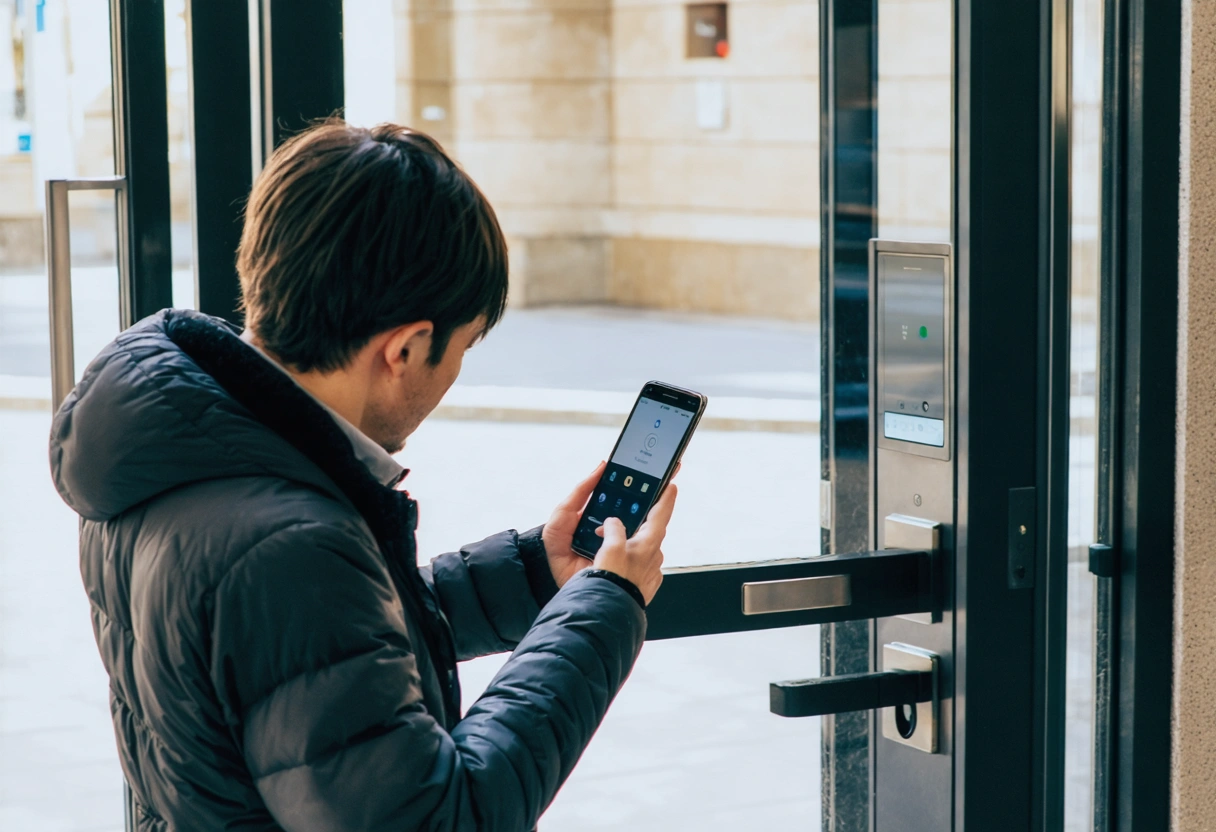
Another advantage is the convenience of keyless entry. Employees and authorized personnel can gain access using their smartphones or personal identification numbers (PINs), eliminating the need for physical keys. This not only streamlines access but also simplifies the process of granting or revoking entry privileges. For instance, if an employee leaves the company, their access can be revoked instantly without the hassle of retrieving physical keys.
Integrating Smart Locks into Your Business
Integrating smart lock technologies into your business requires careful planning and consideration. The first step is to assess your current security needs and identify areas where smart locks can provide the most value. This assessment should consider factors such as the number of entry points, the level of security required, and the existing infrastructure.
Once you have a clear understanding of your needs, the next step is to select a smart lock system that aligns with your business objectives. There are various types of smart locks available, each with unique features and capabilities. For example, some systems offer advanced biometric authentication, while others focus on ease of use and integration with existing security systems. Engaging with a professional security consultant can help you make an informed decision and ensure a seamless installation process.
Ensuring a Smooth Transition
Implementing smart lock technologies involves more than just installing new hardware. It requires training employees on how to use the new system effectively and understanding the changes in access protocols. Providing comprehensive training and support will help ensure a smooth transition and minimize disruptions to daily operations.
Additionally, it’s essential to establish clear policies and procedures for managing access privileges. This includes defining who has the authority to grant or revoke access, how access logs are monitored, and how incidents are reported and addressed. Having a well-defined access management policy will help maintain the integrity of your security system and prevent potential breaches.
The Role of Smart Locks in Modern Security Strategies

As businesses adopt more sophisticated security strategies, smart lock technologies play a crucial role in creating a comprehensive security framework. By integrating smart locks with other security systems, such as surveillance cameras and alarm systems, businesses can create a multi-layered security approach that offers robust protection against both external and internal threats.
Moreover, smart lock technologies provide valuable data insights that can enhance your overall security strategy. For instance, access logs can be analyzed to identify patterns or anomalies that may indicate potential security risks. By leveraging this data, businesses can proactively address vulnerabilities and optimize their security measures.
Future Trends in Smart Lock Technologies
The future of smart lock technologies is promising, with ongoing advancements in artificial intelligence and machine learning. These technologies are expected to further enhance the capabilities of smart locks, enabling more accurate threat detection and response. For example, future smart lock systems could use AI algorithms to analyze access patterns and automatically adjust security settings based on detected anomalies.
Additionally, the integration of smart locks with the Internet of Things (IoT) will open new possibilities for automation and control. Businesses will be able to create more sophisticated security ecosystems, where smart locks interact seamlessly with other connected devices to provide comprehensive protection.
Embracing Smart Lock Technologies in Englewood
As the demand for advanced security solutions continues to grow, smart lock technologies offer a powerful tool for businesses in Englewood to enhance their commercial security. By providing superior protection, convenience, and data-driven insights, smart locks are transforming the way businesses manage access and security.
Embracing smart lock technologies requires careful planning and execution, but the benefits far outweigh the challenges. By staying informed about the latest developments and integrating smart locks into your security strategy, you can ensure that your business remains protected in an ever-evolving threat landscape.
For more detailed insights and guidance on implementing smart lock technologies, consider exploring resources such as SafeWise’s comprehensive guide or the Security Magazine’s article on smart lock benefits. These resources provide valuable information to help you make informed decisions about your commercial security strategy.
Implementing Smart Lock Technologies: Key Considerations
While the benefits of smart lock technologies are clear, their successful implementation requires attention to several key considerations. These include understanding the specific security needs of your business, evaluating different smart lock systems, and ensuring compatibility with existing security infrastructure. By carefully considering these factors, businesses in Englewood can effectively harness the power of smart lock technologies to enhance their security posture.
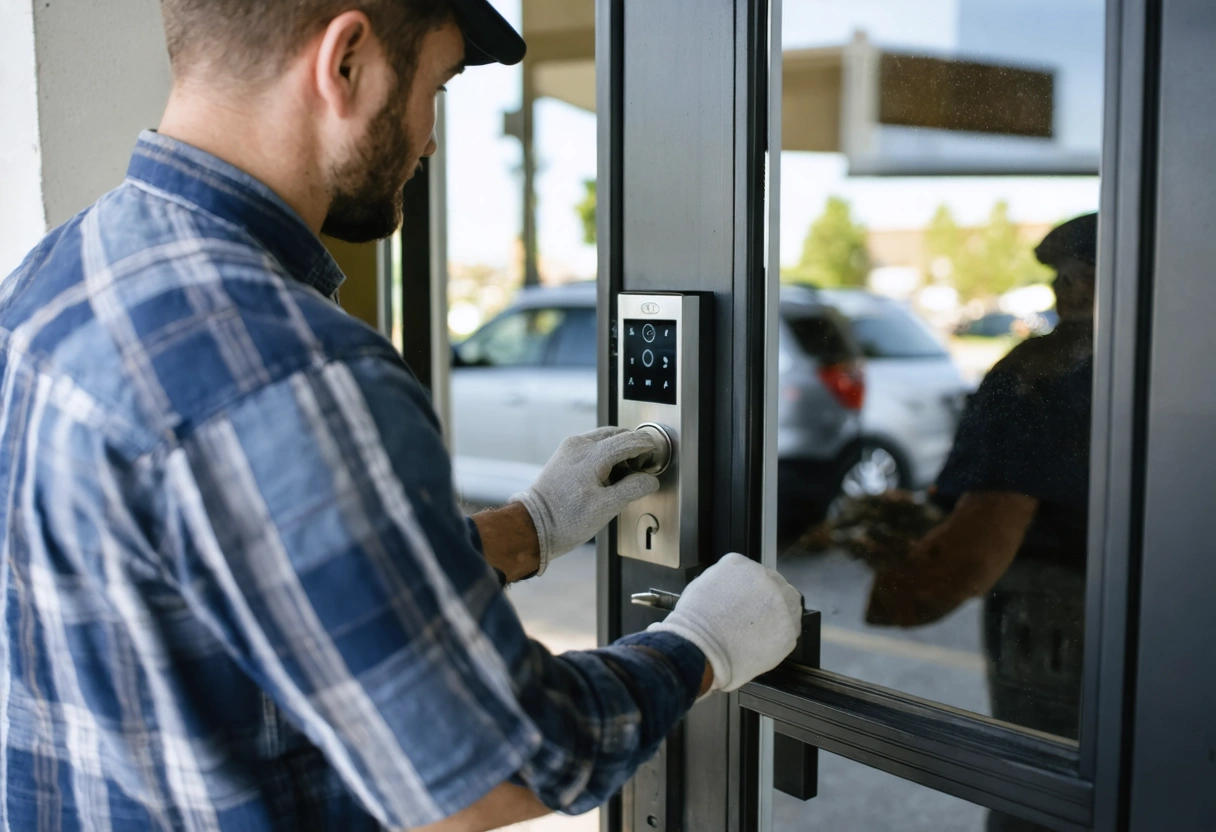
One of the first steps in implementation is conducting a thorough security audit. This involves assessing your current security measures, identifying vulnerabilities, and determining how smart locks can address these weaknesses. For instance, if your business has multiple entry points with high traffic, a system that supports real-time monitoring and access notifications may be particularly beneficial. Engaging with security experts can provide valuable insights and recommendations tailored to your specific needs.
Choosing the Right Smart Lock System
With a wide array of smart lock systems available, selecting the right one for your business can be challenging. It’s essential to consider factors such as ease of use, security features, scalability, and cost. Some smart locks offer advanced features like biometric authentication and remote access control, while others focus on simplicity and cost-effectiveness. The ideal system should align with your security requirements and business objectives.
Compatibility with existing systems is another crucial consideration. Smart locks should integrate seamlessly with your current security infrastructure, including surveillance cameras and alarm systems. This integration enables a holistic security approach, ensuring that all components work together to provide comprehensive protection. For example, a smart lock that triggers an alarm when unauthorized access is detected can enhance the overall effectiveness of your security measures.
Maintaining and Upgrading Smart Lock Systems
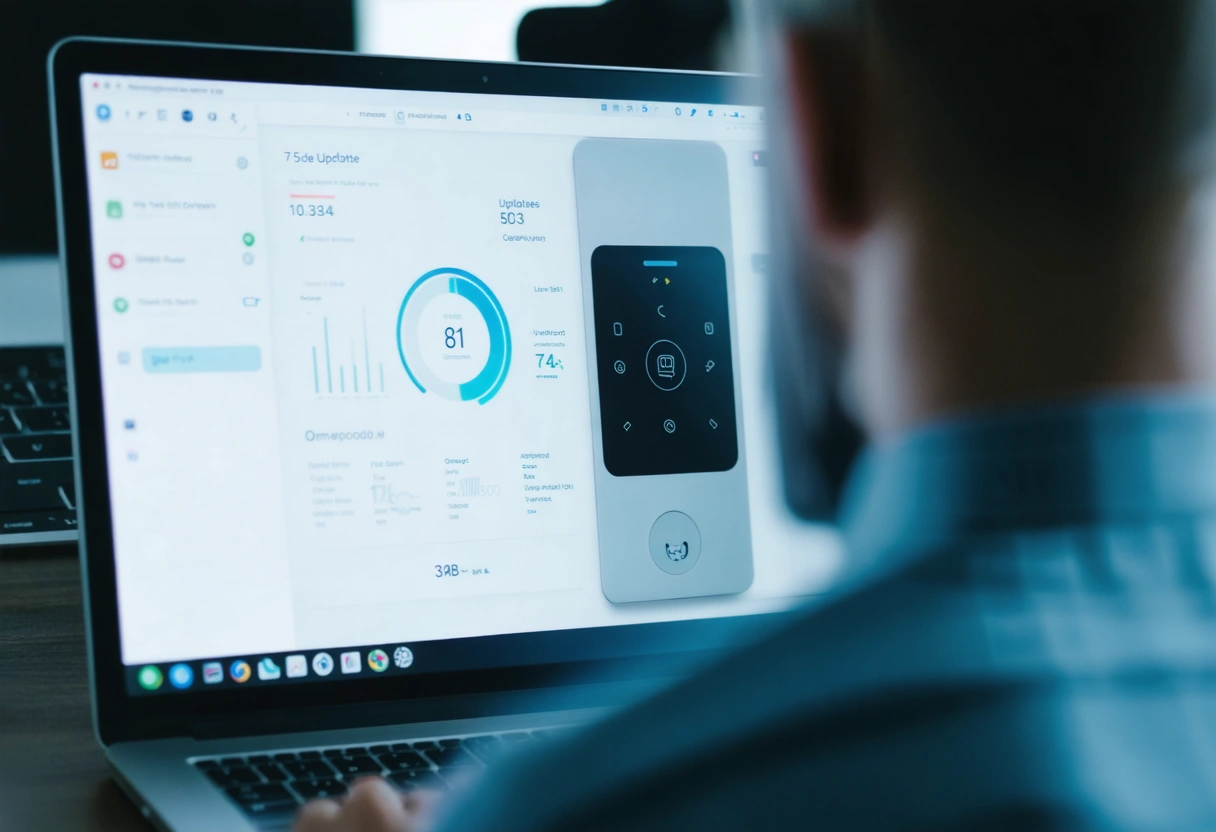
Once a smart lock system is in place, regular maintenance is essential to ensure optimal performance and security. This involves keeping the system updated with the latest software patches and security enhancements. Regular updates help protect against emerging threats and vulnerabilities, maintaining the integrity of your security system.
It’s also important to conduct periodic reviews of your security protocols and adjust them as needed. As your business grows and evolves, your security needs may change. Periodic assessments allow you to identify areas for improvement and make necessary adjustments to your smart lock system. This proactive approach ensures that your security measures remain effective and aligned with your business objectives.
Training and Support for Employees
Incorporating smart lock technologies into your business requires proper training and support for employees. This includes educating staff on how to use the system effectively, understanding access protocols, and recognizing potential security threats. Providing comprehensive training sessions and resources can help employees become comfortable with the new technology and ensure they use it effectively.
Additionally, having a support system in place is crucial for addressing any issues or concerns that may arise. This could involve establishing a dedicated support team or partnering with a security provider that offers ongoing assistance. Ensuring that employees have access to support when needed can help minimize disruptions and maintain the smooth operation of your security system.
The Broader Impact of Smart Lock Technologies
Beyond enhancing security, implementing smart lock technologies can have a broader impact on your business operations. For example, smart locks can streamline access management, reducing the administrative burden on security personnel. Automated access logs and notifications simplify the process of monitoring entry and exit, freeing up resources for other critical tasks.
Furthermore, smart locks can enhance the overall customer experience by providing a seamless and secure environment. For businesses that host clients or customers on-site, demonstrating a commitment to security can build trust and confidence. This is particularly important in industries where security is a top priority, such as finance and healthcare.

The Environmental Benefits of Smart Locks
Embracing smart lock technologies can also contribute to environmental sustainability. By reducing the reliance on physical keys, businesses can minimize waste and support eco-friendly practices. Digital access methods eliminate the need for metal key production, which requires energy-intensive processes and raw materials.
Additionally, smart locks can be integrated with energy management systems to optimize resource usage. For example, access data can be used to control lighting and HVAC systems, ensuring they operate only when necessary. By optimizing energy consumption, businesses can reduce their carbon footprint and contribute to a more sustainable future.
The Future of Commercial Security in Englewood
As businesses in Englewood continue to navigate the complexities of modern security challenges, smart lock technologies offer a powerful solution for enhancing safety and efficiency. By providing advanced security features, seamless integration, and valuable data insights, smart locks are transforming the way businesses protect their assets and manage access.
Looking ahead, the continued evolution of smart lock technologies promises even greater capabilities and opportunities. As artificial intelligence, machine learning, and IoT integration become more prevalent, businesses can expect smarter, more adaptive security systems that respond dynamically to threats and operational needs.
For businesses seeking to strengthen their security posture, now is the time to explore the potential of smart lock technologies. By staying informed and proactive, you can ensure that your business remains secure, competitive, and prepared for the future. Discover more about the potential of smart lock technologies from resources like Forbes’ insights on smart locks and TechRepublic’s analysis of smart lock impacts.
Need help with How Smart Lock Technologies Can Enhance Your Commercial Security in Englewood?